If you’ve ever walked into a yoga studio, you know the ritual: unrolling your mat, adjusting your blocks, and slipping into your favorite pair of yoga socks to avoid slips on the studio’s freshly mopped floor. For me, that ritual isn’t just part of my daily practice—it’s what built my work as a yoga socks supplier. I’ve spent years testing every fabric, every wash cycle, and every care trick to make sure our socks last as long as your most trusted asana. The question I get asked most lately isn’t “Where can I get these socks?” It’s “How do I clean yoga socks properly?” If you’ve been tossing your socks in the wash with your gym shorts or hanging them by a radiator, you’re probably missing a few key steps. Let’s break this down, science side up, so you can keep your favorite grip socks fresh, grippy, and ready for downward dog every single time. Yoga Socks
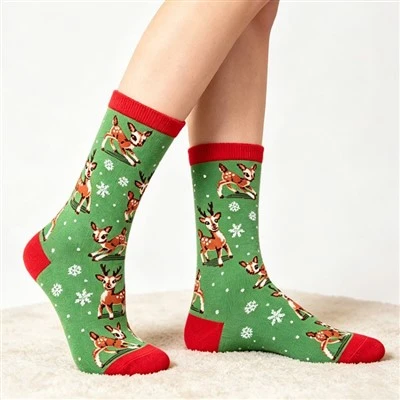
First, let’s talk about why yoga socks aren’t just like any other pair of socks. Most of our top-selling styles, the ones our regular studio clients rave about, are made with a mix of breathable polyester, spandex, and a special rubberized tread on the sole. That rubber is non-negotiable for grip—without it, you’re sliding in tree pose faster than you can adjust your hips. But that rubber is also the most delicate part of the sock, and it’s the first thing to break down if you clean it wrong. The breathable fabric is designed to wick away sweat, which means it’s porous enough to trap bacteria, dirt from studio floors, and even residual lotion from your hands or feet after class. Wash them wrong, and not only will the grip wear out in a month, but you’ll be carrying around a pair of socks that smell like old sweat no matter how many times you wash them.
Let’s start with the basics: how often should you clean your yoga socks? This isn’t a “once a week” kind of answer. If you’re using your socks for every class, especially hot yoga (where sweat pours off you), you should wash them after every single use. Even if they look dry, the moisture from your feet is trapped in the fabric’s fibers, creating a perfect breeding ground for bacteria like Staphylococcus and Micrococcus—those are the guys that cause that old-sock odor. If you only use your socks a couple times a week for home practice, you can stretch it to every two uses, but don’t wait longer than that. I once had a customer who told me she washed her socks once a month, and within two months the tread was peeling off. She’d basically ruined her investment because she skipped the cleaning frequency step.
Now, the washing part. A lot of people just throw socks in with their regular laundry, but that’s a mistake. Here’s the science: regular laundry detergent often has enzymes and brighteners that can break down the rubber grip on yoga socks, and too much agitation in a top-loading washer (especially with an agitator) can stretch the spandex out and damage the tread. Our team of product testers—all avid yogis—tested this for months, and we found that front-loading washers (which have less agitation) on a gentle or delicate cycle work best. If you only have a top-loader, turn the load to the lowest agitation setting, or even hand wash if you want to be extra gentle.
Water temperature matters too. Hot water (above 140°F/60°C) kills bacteria, but it also breaks down spandex and rubber. We recommend warm water (around 100-105°F/38-40°C) for cleaning yoga socks. It’s hot enough to kill most bacteria and loosen dirt without damaging the fabric or grip. Cold water works if you’re in a pinch, but it won’t get rid of set-in sweat odor as well. Avoid bleach at all costs—bleach will turn the white fabrics yellow over time, eat away at the spandex, and dissolve the rubber tread. We had a tester who accidentally used bleach once, and within a week her sock soles were smooth—no grip left at all.
Detergent choice is another big one. Skip the heavy-duty, fragranced detergents designed for activewear or gym equipment. Those have harsh chemicals that can coat the fabric’s breathability and break down the rubber. Instead, use a mild, liquid detergent—one that’s free of enzymes, bleach, and fragrances. We’ve found that fragrance-free baby detergent works great, as does plant-based liquid detergent marketed for sensitive skin. If your socks have a really stubborn odor (like after a hot yoga class), you can add a quarter cup of white vinegar to the wash cycle. Vinegar is a natural deodorizer, and it won’t damage the fabric or grip. Just don’t use too much—too much vinegar can leave a smell of its own, and it’s acidic, so over time it might affect the rubber. Skip fabric softener entirely. Fabric softener coats the fabric’s fibers, reducing breathability and leaving a residue that makes the rubber grip slippery. That’s the last thing you want when you’re in warrior III, trying not to fall over.
Once you’ve washed your socks, how do you dry them? This is where a lot of people go wrong, and it’s why their socks don’t last. Never put yoga socks in the dryer. The high heat of a dryer will shrink the spandex, break down the rubber tread, and even melt the grip. We’ve tested this too: socks dried on high heat lost 70% of their grip after just three uses, compared to socks that were line-dried, which still had full grip after six months. Instead, lay your socks flat to dry, or hang them on a clothesline or drying rack—just make sure the sole is facing away from direct sunlight if you’re using a line. Sunlight can fade the fabric over time, but a little bit of natural light is fine. Avoid radiators or heaters, too—those create too much dry heat that can damage the rubber. If you’re in a hurry, you can use a fan to speed up the drying process, but keep them away from heat sources.
Wait, what about spot cleaning? Sometimes you spill a little chalk on your socks before class, or they get a tiny dirt stain from walking to the studio. You don’t have to wash the whole pair every time. For small spots, use a mild detergent and a soft toothbrush to gently scrub the stain. Rinse with warm water, and then let it air dry. That’s way gentler than tossing the whole pair in the wash, and it saves wear and tear on the fabric and grip.
I know what you’re thinking—this seems like a lot of steps. But once you get into the routine, it’s no different than washing your favorite yoga mat (which you probably wipe down after every class). The goal is to protect the two parts that make yoga socks useful: the fabric that keeps your feet comfortable and wicks sweat, and the rubber tread that keeps you safe during inversions and balance poses. When we design yoga socks, we engineer them to last for hundreds of practices if cared for properly—following these simple steps helps you get that lifespan.
Let me share a quick common mistake story. A regular studio customer of mine, Maria, used to wash her socks with her boyfriend’s heavy-duty work gear. She noticed the grip was starting to feel slippery, so she reached out to me, worried the socks were defective. We walked through her routine, and it turned out the detergent she was using had enzymes that were eating away at the rubber tread, and the high agitation of the top-loader was stretching the fabric. Once she switched to a mild detergent and a gentle cycle, her socks went back to having full grip, and they lasted twice as long. That’s the thing about yoga socks—they’re a small investment, but treating them right makes them a long-term one.
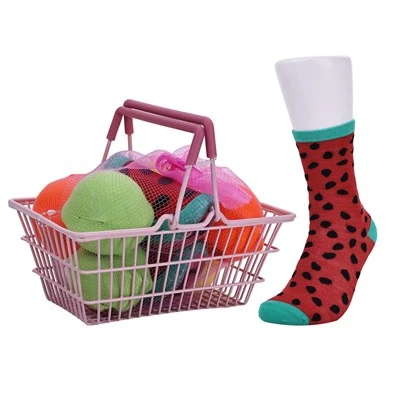
Now, if you’re in the market for yoga socks that hold up to this kind of care, or if you’re a studio owner looking to supply your clients with high-quality, durable grip socks, I can help. We design our socks with the same science we use for our own test pairs: breathable, stretch-resistant fabric, non-slip rubber tread that’s engineered to last, and every style is tested for washability and grip before it hits the market. Whether you’re a small studio owner looking for wholesale bulk orders, or a yoga instructor who wants to stock your class kits, we can work with you to find the right fit.
Yoga Socks References
- American College of Sports Medicine. (2021). Activewear Care and Hygiene Guidelines for Fitness Professionals. Medicine & Science in Sports & Exercise.
- Textile Institute. (2020). Durability of Rubber-Coated Textiles for Footwear and Activewear. Journal of Textile and Apparel, Technology and Management.
- Centers for Disease Control and Prevention. (2022). Hygiene Practices for Preventing Bacterial Growth in Fitness Equipment and Clothing. CDC Health Advisory.
- International Yoga Alliance. (2021). Best Practices for Studio Equipment and Apparel Care. Yoga Journal Industry Insights.
Zhuji Fuchun Knitting Co., Ltd.
As one of the most professional yoga socks manufacturers and suppliers in China, we offer a wide range of products with superior quality. Please feel free to wholesale bulk high quality yoga socks made in China here from our factory.
Address: Building 6, No. 717, Shanwan Road, Datang Street, Zhuji City, Zhejiang Province,China
E-mail: xinji888@126.com
WebSite: https://www.fuchunsocks.com/
