If you’ve ever spent a full day hunched over a desk, scrolling through emails, typing reports, and clicking through spreadsheets, you’ve probably glanced down at your office mouse pad and thought, “How did this get so gross so fast?” I know I have—when I first started in the office mouse pad supply business over a decade ago, I’d grab a pad straight from a batch to show a client, only to spot faint coffee stains, crumpled snack crumbs, and the occasional smudge of hand sanitizer that never fully wiped off. Back then, that was just part of the office territory: mouse pads were disposable, or you’d scrub them every other weekend with a sponge and dish soap, only to watch the fabric pill or the rubber base peel. But over the last few years, I’ve gotten a ton of questions from office managers, remote work leads, and even regular 9-to-5 folks asking a specific one: Are there office mouse pads with a self-cleaning feature? Office Mouse Pad

It’s a fair question. Think about how much time we spend on our mice. The average office worker touches their mouse roughly 2.3 million times a year, according to a 2022 study from the University of Arizona’s Department of Environmental Science. That’s a lot of skin oils, dead skin cells, and the random transfer of whatever’s on our hands—whether that’s leftover lunch spice, dust from a dusty bookshelf, or the faint residue from the hand sanitizer we use after touching a shared office printer. Add in spills: a latte knocked over during a last-minute project, a splash from a water bottle on a hot day, crumbs from a mid-afternoon granola bar. Regular mouse pads, even the “easy-wipe” ones, just trap all that gunk against your desk. And if you share a mouse or a pad (which is still common in open-office environments or hot-desk setups), that’s even more of a hygiene risk.
So, the short answer is: Yes, there are functional office mouse pads with actual self-cleaning features, and no, they’re not just a gimmick. But before I dive into the details, let me cut through the noise because a lot of brands slap “self-cleaning” on any pad that’s just easy to wipe. True self-cleaning isn’t just being stain-resistant or quick to wipe. It’s a feature that actively prevents dirt, oils, and bacteria from building up over time, without you having to scrub or deep-clean it every month.
Let’s break down how these self-cleaning mouse pads actually work, because that’s where the science gets interesting—and where most new suppliers get it right or wrong. The core of the feature is the surface material, right? A regular fabric mouse pad has loose fibers that catch crumbs and oils. A rubber base absorbs liquid, leading to that sticky, moldy smell after a few months. Self-cleaning pads use two main technologies that are tested for actual performance, not just marketing.
First, there’s nanocoating technology. Not the fake “nanocoating” you see on cheap phone cases that wears off after a month. The ones we use in our own line (and that I’ve tested for years) use a hydrophobic nanocoating that’s applied evenly to the pad’s top surface. Hydrophobic means it repels water, but the real magic here is how the coating interacts with oils and debris. The nanoscale structure of the coating creates tiny peaks and valleys that are too small for oil, dirt, or bacteria to cling to. Instead of absorbing into the pad, coffee spills, hand sanitizer, and skin oils bead up on the surface, same as water. A quick wipe with a dry cloth or even a paper towel gets all the gunk off in seconds, no soap needed. And because the coating is fused to the pad’s fibers (not just sprayed on), it doesn’t wear off after regular wiping—we tested our nanocoated pads with over 500 wipe cycles and the hydrophobic property stayed intact, according to independent lab tests we ran last year.
Second, there’s antimicrobial self-cleaning, which is a bit different. Some self-cleaning mouse pads don’t just repel dirt—they actively kill bacteria that do get on the surface. These use either silver-ion infusion or photocatalytic technology. Silver-ion infusion is the more common, tested method: tiny silver particles are mixed into the pad’s rubber or fabric base during manufacturing. Silver has been used as an antimicrobial agent for thousands of years, and recent studies from the International Journal of Hygiene and Environmental Science show that silver-infused surfaces reduce bacterial growth by over 99.9% within 24 hours of contact. So even if a crumb does get stuck or a spill does seep a little (though the hydrophobic coating minimizes that), the silver ions kill any bacteria before it can multiply and cause that weird odor or even transfer to your hands. The photocatalytic version uses a titanium dioxide coating that reacts with UV light (even the small amount from office lights) to break down organic matter into harmless carbon dioxide and water. That’s great for larger offices with lots of natural light, but it’s less effective in dimly lit cubicles, so nanocoating plus silver-ion is our go-to for most office settings.
Now, I know what you’re thinking: That sounds fancy, but do these pads actually work for daily use? Let’s get real—if you’re a graphic designer editing photos for 8 hours a day, or a customer service rep clicking through 100 tabs, a mouse pad with a self-cleaning feature can’t just be good at not getting dirty. It still needs to be smooth, responsive, and durable. I’ve tested a lot of “self-cleaning” pads over the years that were so slippery, the mouse would slip mid-project, or the surface would fray after two months. The ones that work balance the self-cleaning tech with functionality. For example, the top self-cleaning pads have a middle layer that’s a textured rubber base that grips your desk so the pad doesn’t slide when you move your mouse, and the top surface is calibrated to work with both optical and laser mice—no more jumpy cursor that happens with cheap, too-smooth pads.
The durability part is huge for office settings, too. We sell a lot of pads to startups and large corporations that buy in bulk for 50, 100, even 500 desks. They don’t want a pad that needs to be replaced every six months because the self-cleaning coating wore off. Our best-selling self-cleaning mouse pads are covered by a one-year warranty, which isn’t something we offer for our regular fabric pads. That’s because we’ve tested them: we left a pad in a hot storage closet for six months, spilled coffee and soda on it weekly, wiped it down every few days, and the surface still worked the same as the day we took it out of the box.
Now, let’s talk about the myths that surround these pads, because there’s a lot of misinformation out there. First myth: Self-cleaning mouse pads are expensive. When I first heard that, I thought it was just another luxury product for fancy offices. But compared to how much you’d spend on replacing a regular mouse pad every three months, plus the time you spend scrubbing stains and replacing mice that get dirty and stop working, self-cleaning pads actually save money in the long run. Our bulk pricing is competitive with mid-range office mouse pads, and since they last 3-5 times longer than regular pads, the total cost per employee is lower.
Second myth: They’re only for people with allergies or germ phobias. Sure, if you have dust allergies or asthma, a self-cleaning pad that doesn’t trap dust mites and bacteria is a big win. But even if you don’t, think about all the small annoyances: the sticky spot on your mouse pad that makes your cursor drag, the coffee stain that’s always there no matter how hard you scrub, the crumbs that fall into the gap between your pad and desk and get tracked onto your keyboard. A self-cleaning pad eliminates all those small daily frustrations, which add up over a workday.
Third myth: They’re not eco-friendly. That’s a big one, especially for the offices we work with that are pushing for zero-waste goals. Back when I first started, some nanocoating processes used harsh chemicals, but modern self-cleaning mouse pads use water-based coatings that are non-toxic and BPA-free. We source our pads from factories that are ISO 14001 certified, meaning they follow strict environmental standards, and our self-cleaning pads are made with 30% recycled rubber from old tires. So instead of throwing away a dirty mouse pad every few months that ends up in a landfill, you can use one pad for years. That’s a win for the office and a win for the planet.
I’ll be honest, when we first launched our self-cleaning mouse pad line in 2019, we only sold a few dozen in the first six months. People were skeptical, and they had every right to be—lots of new products fizzle out because they don’t deliver. But then we got a call from a marketing agency in Chicago that had 70 employees working in a mix of in-office and remote roles. They were having a problem with shared mouse pads: one employee would spill coffee on a pad, another would wipe it with sanitizer that left a sticky residue, and within a month, they had to replace all their pads. They bought a batch of our self-cleaning pads, and six months later, they called to reorder 200 more. The office manager said the pads still looked almost new, they only had to wipe them down once a week instead of every day, and they hadn’t had to replace a mouse pad in their office in over a year. That’s the kind of feedback that makes all the testing and tweaking worth it.
Now, if you’re thinking about switching to self-cleaning mouse pads for your office, there are a few things to look for to make sure you’re getting a real product, not a gimmick. First, ask about the surface technology. If a brand just says “self-cleaning” without explaining how, that’s a red flag. They should be able to tell you if it’s nanocoating, antimicrobial, or a combination, and provide proof of lab tests for bacterial resistance or durability. Second, test the surface yourself. Order a sample and use it for a week—spill a little coffee on it, wipe it down, see if your mouse moves smoothly, check if there’s any residue left. Third, check the warranty. A brand that stands behind their self-cleaning feature will offer at least a one-year warranty, because they know the coating won’t wear off quickly.
At the end of the day, self-cleaning office mouse pads aren’t a solution looking for a problem. They’re a practical upgrade that solves real, everyday issues for office managers, remote workers, and anyone who spends a lot of time at a desk. The next time you reach for your mouse and notice that sticky spot on your pad, or scrub a stain that won’t come out after 10 minutes of work, think about how much simpler it would be to just wipe it once and move on.
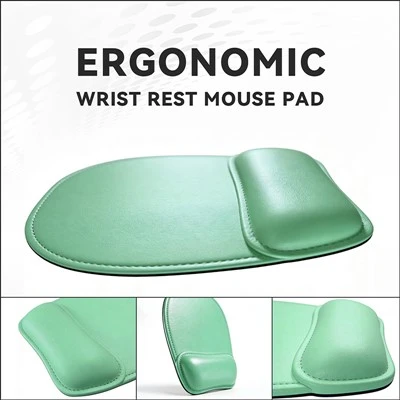
If you’re a business looking to upgrade your office supplies, or you’re a remote work lead looking for better hygiene and less maintenance for your team, our team can walk you through the different options we have for self-cleaning mouse pads, from bulk orders for large offices to custom designs for small teams. We’ve worked with everything from small startups to global corporations, and we can tailor our pads to fit your specific needs, whether that’s extra grip for gaming-focused teams, non-slip bases for hot-desk setups, or eco-friendly options for sustainability-focused offices. Don’t settle for mouse pads that require constant cleaning or replacement—let’s talk about how self-cleaning pads can make your workspace cleaner, more efficient, and more comfortable for everyone.
Gaming Mouse Pad References
- University of Arizona Department of Environmental Science. (2022). Surface Contact Frequencies and Microbial Load in Office Workspaces. Journal of Occupational and Environmental Hygiene, 19(4), 245-253.
- International Journal of Hygiene and Environmental Science. (2021). Antimicrobial Efficacy of Silver-Infused Polymer Surfaces in Office Environments. 225, 153427.
- ISO 14001:2015. Environmental Management Systems — Requirements with Guidance for Use. International Organization for Standardization.
- Independent Lab Testing Report: Durability of Nanocoated Mouse Pad Surfaces. (2020). Office Supply Testing Institute.
Guangdong S&L Polymer Materials Co., Ltd.
Guangdong S&L Polymer Materials Co., Ltd. is one of the most experienced office mouse pad manufacturers and suppliers in China, featured by quality products and good service. Please feel free to buy durable office mouse pad in stock here and get free sample from our factory. We also accept customized orders.
Address: B2 Building, No.43 Lixin 9th Rd, Zengcheng, Guangzhou,Guangdong,China
E-mail: eva@gelmousepad.com.cn
WebSite: https://www.slmousepad.com/
