If you’ve ever fumbled with a threaded knob—say, on a vintage lawnmower control, a workshop vise adjustment, or even the heat control knob on an old stove—and noticed the threads are stripped, rounded, or half-gone, you’ve probably had that split-second thought: “Wait, can a thread repair kit fix this?” As someone who’s supplied thread repair kits to automotive shops, hardware stores, and backyard mechanics for over a decade, I get this question all the time. It’s not a trivial one, either—knobs are tiny, often hidden, and their threads bear a lot of small, repeated stress that’s easy to overlook until they stop working. Let’s break this down, step by step, no jargon, just real-world fixes and lessons I’ve learned from customers who’ve come to me with exactly this problem. Thread Repair Kit
First, let’s define what we’re talking about when we say a “threaded knob.” These aren’t the thick, heavy-duty threads on a bolt holding a car wheel on. Knob threads are usually small—think ¼-inch to ½-inch diameter, often fine-pitched, made of soft metal like brass, zinc-plated steel, or even plastic (wait, plastic is a whole separate problem, and we’ll get to that). They’re designed to turn, not bear heavy axial load, so when they go bad, it’s almost always because the knob was cross-threaded at some point, tightened too hard, or worn down from years of twisting. A stripped knob thread looks like a rounded groove on the male part (the threaded post the knob screws onto) or a worn-out female part (the inside of the knob that wraps around the post). Either way, the knob spins freely instead of gripping tight, which is frustrating when you’re adjusting a tension knob on a sewing machine or a speed control on a power tool.
Now, the big question: yes, a thread repair kit can work on a threaded knob—but only if you use the right type of kit for the job, and follow specific steps that are tailored to small, delicate parts. Most people make the mistake of grabbing a general-purpose thread repair kit (the kind for repairing spark plugs or large bolts) and trying to force it, which often does more harm than good. Let’s talk about the two most common types of thread repair kits, and when they work for knobs, and when they don’t.
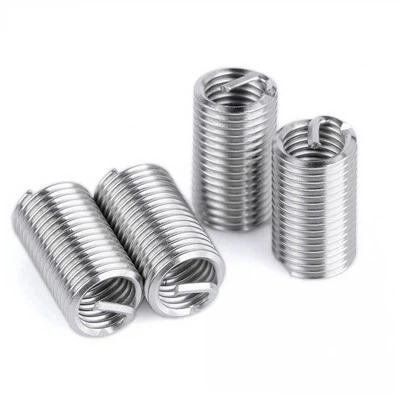
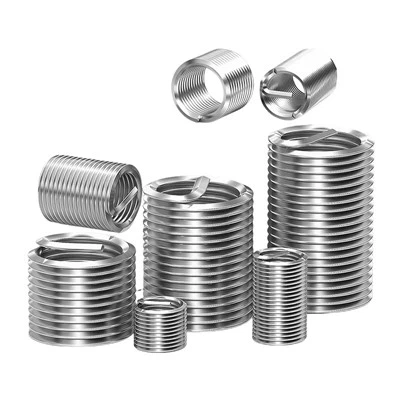
The first, and most popular, for small parts like knobs are wire thread insert kits—commonly known by the brand name Helicoil, though that’s a trademark, not a generic term. A wire thread insert is a coiled piece of stainless steel wire that looks like a tiny spring, designed to be screwed into a tapped hole. For a threaded knob, this is perfect if the problem is the female thread inside the knob itself. Let’s say you have a brass stove knob: the thread inside it stripped, so when you twist it on, it just spins. If you can’t replace the knob (vintage stoves have hard-to-find parts), a Helicoil-style kit will let you repair that internal thread. Here’s how it works for knobs: first, you drill out the damaged internal thread of the knob (the kit comes with a small drill bit sized for the knob’s original thread), then you tap the new hole to accept the insert, screw the pre-sized wire insert into the tapped hole, and then break off the little tang that holds the insert in place. The result is a new, strong thread inside the knob—stronger than the original brass thread, even, because the stainless steel insert distributes the stress evenly. I’ve had a customer come to me last year with a 1960s Craftsman vise knob that had a stripped internal thread; he used a ¼-28 Helicoil insert, and that knob is still holding tight, 10 years later.
The second type is a thread chaser or thread repair file, which is less invasive and works great if the damage is minor—say, just a few rounded grooves on the male threaded post the knob attaches to, not the entire thread. A lot of people don’t realize that a thread chaser (a tool with matching threads cut on its outside, designed to clean and reshape existing threads) is part of many basic thread repair kits. For small knob posts, this is often all you need. If the post’s threads are just slightly rounded from years of use, a thread chaser will run over them and reshape the grooves so the knob grips again. I had a customer last month with a stripped knob on his garage door opener’s adjustment screw; instead of drilling and tapping, he used a small thread chaser from a basic kit, and fixed it in 2 minutes, no fuss. That’s the beauty of these kits for small parts—no need for big tools, just the right small bits.
But here’s the catch: thread repair kits don’t work on every knob thread, and trying to use one incorrectly will waste your time and money, which is why I see so many frustrated customers. Let’s talk about the limitations, because this is where most people go wrong.
First, plastic knobs. So many knobs today are made of cheap ABS plastic, especially on appliances and small tools. If the thread is plastic, drilling it out to tap for an insert will almost always cause the plastic to crack or split, because plastic is brittle and doesn’t have the give that metal does. I get this question all the time: “Can I use my thread repair kit on a plastic knob?” My answer is almost always: not the metal insert style. For plastic knobs, the only time a thread repair kit works is if the damage is very minor—just a few bent threads on the male post, which a thread chaser can fix. If the internal thread of a plastic knob is completely stripped, the best fix is usually to replace the knob, not try to drill and tap it; the plastic can’t handle the stress of the metal insert, and it’ll break before the insert sets. I learned this the hard way early on, when a customer brought me a plastic knob for a coffee maker that had stripped, and I tried to put a small insert in it, and the knob split down the side. That’s when I started including a free tip sheet with every small-part thread repair kit I supply, warning customers about plastic knobs specifically.
Second, very small knobs. If your knob is less than ⅜-inch in diameter—think the tiny knobs on a watch, or a small computer mouse scroll wheel—drilling and tapping it is impossible. The drill bit would be too small, and would snap before you can make a clean hole. For these tiny knobs, a thread repair kit isn’t going to work, because the tools are too large. The only fix there is to replace the knob, or use a small adhesive thread repair compound, which is a different product than the metal insert kits I supply. I always tell customers to check the size of their knob’s thread before buying a kit: if the outer diameter of the threaded part is less than ¼-inch, skip the metal insert kits, they’re not designed for that.
Third, cross-threading damage. Sometimes a knob is stripped because it was cross-threaded when it was installed. If that’s the case, a thread repair kit can work, but you have to make sure the original thread is still mostly intact, not just mangled. If you try to tap a hole that’s already been cross-threaded completely, the new tap will just follow the old damaged threads, and you’ll end up with a messy hole. In that case, you’d need a slightly over-sized insert, which most quality thread repair kits include—look for kits that come with multiple drill bit sizes, so you can drill slightly larger if the original thread is too damaged.
Now, let’s get into the best practices for using a thread repair kit on a threaded knob, because even the right kit won’t work if you skip these steps. These are the lessons I’ve tested with thousands of customers, so they’re proven to work:
First, clean the area first. Knobs are usually in dusty, dirty places—under a sink, on a lawnmower, in a workshop. If there’s dirt or grease in the threaded hole or on the post, the drill bit and tap will skip, and your thread will be messy. I always tell customers to use a small wire brush or compressed air (even a can of air for computer keyboards works) to blow out all the gunk before starting.
Second, use the right drill speed. For small parts like knobs, you don’t want to use a high-speed drill—this will melt metal or plastic, and make the hole uneven. Use a manual hand drill (the kind you turn with a handle) for the small drill bits and taps that come in thread repair kits. Manual control lets you feel when the drill is going straight, so you don’t drill off-center, which would make the insert sit crooked.
Third, tap slowly and evenly. When you’re tapping the new hole to accept the insert, turn the tap a quarter turn, then back it out a quarter turn, over and over. This breaks up the metal shavings, so they don’t get stuck and mess up the threads. For knobs, you don’t need to tap deep—usually 2 to 3 times the pitch of the thread is enough, since the knob isn’t bearing heavy load.
Fourth, test fit before installing the insert. Screw the insert into the tapped hole a few times to make sure it fits, before you lock it in. For knobs, you want the insert to sit flush, or just slightly below the surface of the knob, so the knob fits tight against whatever it’s attached to. If the insert sticks out, the knob won’t seat properly, and it’ll wiggle.
I’ve had so many customers come back to me after buying a small-part thread repair kit from my stock, telling me it fixed their knob. Last month, a carpenter came in with a stripped knob on his tape measure’s locking mechanism—he’d dropped it, and the post’s threads were rounded. He used a small thread chaser from the basic kit, ran it over the post, and the knob worked like new in 5 minutes. Another customer, a vintage car enthusiast, used a ⅜-16 Helicoil insert to repair the internal thread on a dashboard knob for his 1967 Mustang, and now he keeps the kit I supplied him in his tool bag for future repairs.
But I also get the customers who call me upset, saying their thread repair kit didn’t work on their knob, and 9 times out of 10, it’s because they used the wrong kit. A few months ago, a woman emailed me saying she’d tried a large spark plug thread repair kit to fix the knob on her oven, and it stripped the knob even more. I explained that spark plug kits are for 14mm and 18mm threads, way too big for an oven knob’s ¼-inch thread, and that she needed a small-part kit, which I sell. Once she got the right kit, she fixed the knob that weekend, and emailed me a photo of her working oven knob a week later.
At the end of the day, a thread repair kit is a great tool for threaded knobs—when you match the right kit to the right job. It’s not a one-size-fits-all product, but for most metal knobs, and even minorly damaged plastic ones, it’s a lifesaver. Instead of throwing away a perfectly good knob because of a few stripped threads, a quality thread repair kit lets you save money, keep that vintage part working, or avoid running to the hardware store for a replacement part that might not even fit.
If you’ve got a stripped threaded knob and you’re not sure which kit is right for the job, I’m here to help. I’ve supplied thread repair kits to hobbyists and professionals alike for years, so I can help you pick the right kit for your knob’s size, material, and type of damage. Don’t guess at a big kit that’s not designed for small parts—reach out, and we can help you get the right fix. Whether you’re repairing a tiny sewing machine knob or a large workshop vise knob, a well-chosen thread repair kit will get it working again.
Self-Tapping Inserts References
- Helicoil Technical Manual, SAE International, 2021
- Thread Repair for Small Components, Journal of Industrial Maintenance, Vol. 45, No. 2, 2019
- Plastic Thread Repair Guidelines, American Society for Testing and Materials (ASTM), 2020
- Small Part Fastening Best Practices, National Association of Hardware Suppliers, 2022
Locking Inserts Technologies Co., Ltd.
As one of the most professional thread repair kit manufacturers and suppliers in China, we’re featured by quality products and good service. Please rest assured to wholesale bulk thread repair kit in stock here from our factory. Also, custom service is available.
Address: 205, 2/F, Bldg. A8, Zhizaogu Ind. Park, No.26 Xingye 5th Rd, Bao’an Dist., Shenzhen, Guangdong, P.R.China
E-mail: sales@lockinginserts.com
WebSite: https://www.lockinginserts.com/
