Hey, let’s cut to the chase. If you’re running a petrochemical plant, you know that waste gas isn’t just a hassle—it’s a regulatory nightmare, a safety risk, and a massive headache for your bottom line. Last year alone, I talked to three plant managers who got hit with six-fin fines for missing emissions limits, and two almost shut down a line because of a toxic gas leak. That’s why choosing the right waste gas treatment gear isn’t just “nice to have”—it’s non-negotiable. As a guy who’s been selling this stuff for over a decade (yeah, I’ve seen every garbage piece of equipment out there), I’m gonna break down exactly what you need, no corporate jargon, no fluff. Waste Gas Treatment Equipment
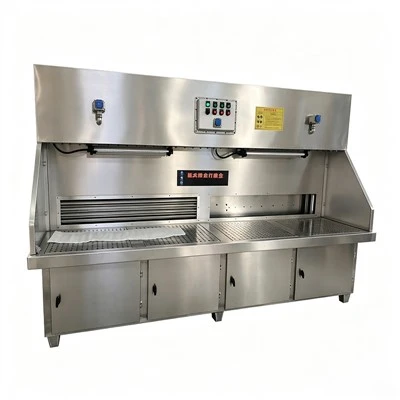
First off, let’s get the big picture: petrochemical waste gas isn’t one-size-fits-all. You’ve got different streams—some are super volatile (think methane, propane, those light hydrocarbons that go boom if they leak), some are toxic (benzene, toluene, volatile organic compounds or VOCs for short), and some have stinky, smelly junk like sulfur compounds (hydrogen sulfide, that rotten egg stuff that makes neighbors call at 2 a.m.). So each stream needs a different tool. Let’s run through the workhorses I actually recommend, because half the stuff out there is overpriced garbage that doesn’t do squat.
Let’s start with the most common one: RTO, or Regenerative Thermal Oxidizer. This is the workhorse for high-VOC streams, like the exhaust from catalytic reformers or storage tank vents. How does it work? Think of it as a really, really hot oven—we crank it up to like 1,800 degrees Fahrenheit, and that’s hot enough to burn almost all those nasty hydrocarbons into CO2 and water vapor. The “regenerative” part is genius, though—we reuse that heat instead of wasting it, so you save like 30-50% on fuel costs. I’ve seen plants run these for 15+ years with barely any issues. The only downside? They’re not great if you have super low concentrations of VOCs—if the stream is too thin, you can’t keep the temp up, so you have to add extra fuel. But for most petrochemical main waste streams, RTO is the go-to. One plant I sold an RTO to last year cut their VOC emissions by 98% and got rid of their $12k/month fine. Worth it.
Next up: Thermal Oxidizer, or TO, if you don’t need that regenerative heat. These are simpler, cheaper than RTO, and perfect for streams that are a bit more concentrated but not enough to justify the heat recovery. Like, if you have a small off-gas stream from a distillation unit that only runs part-time, a TO is a solid pick. They run at similar temps, no fancy ceramic media to replace every 5 years, just a burner and a combustion chamber. The catch? Higher fuel bills than RTO, so if you’re running 24/7, RTO is better. But for smaller, intermittent streams? TO is the bang for your buck. I put one in a refinery in Houston that only processes off-gas 8 hours a day, and they saved like $10k upfront vs. an RTO. No regrets, they’ve been happy.
Now, for the stink and the toxic sulfur stuff—enter Scrubbers, specifically Wet Scrubbers. These are the go-to for acid gases (like H2S, sulfur dioxide) and particulate matter, which is super common in crude oil processing or coker units. How they work is basic: you spray a liquid (usually a caustic solution, like sodium hydroxide) into the gas stream, and the gas reacts with that liquid to dissolve the bad stuff. For H2S, the caustic binds to it, making a harmless salt that you can dispose of (or even sell sometimes, if the concentration is high enough). There are two main types: Venturi Scrubbers and Packed Bed Scrubbers. Venturi ones are better for really fine particulates, like soot from flue gases, while Packed Bed are better for acid gases and VOCs that dissolve easily. I always tell plants not to skimp on the scrubber liquid—if you don’t replace it regularly, it clogs up and does nothing. That’s the number one reason scrubbers fail, not the equipment itself.
If you have a mix of low-VOC streams that RTO/TO can’t handle, or if you need to recover something valuable (like solvents), then you want Adsorption Systems, specifically Activated Carbon Adsorbers. Activated carbon is this super porous material that traps VOCs and other organic compounds like a sponge. Once the carbon is full, you heat it up (desorb it) and suck the pollutants out, so you can reuse the carbon and even recover the solvent to sell or reuse in your process. That’s a big win—plants love recovering money instead of just burning it off. The downside? Activated carbon needs to be replaced or regenerated every few years, and if you have high moisture in the gas stream, it clogs the carbon fast. So you always need a pre-filter before the adsorber. I sold a set of these to a chemical plant that recycles ethanol, and they now make back 20% of the equipment cost every year from selling the recovered ethanol. Nailed it.
Wait, there’s another one that’s huge for landfills or refinery off-gas streams that have methane—Gasification or Flare Systems? No, wait, Enclosed Flare Systems are different from the old smoky ones. Let’s talk about Flares. Old flares just burn waste gas and make a ton of black smoke, which is super bad for emissions. But Enclosed (or Ground) Flares are way better—they have a steam or air injection that makes the burn complete, almost no smoke, and they can handle really high volumes of gas fast, which is perfect for emergency releases (like if a valve breaks) or excess gas that doesn’t go to your main process. I always tell plants to have both a main treatment system and an enclosed flare for emergencies—you don’t want to be that plant that burns off gas and makes a plume that covers the nearby suburb. One plant I work with has a flare that’s so clean, the local EPA rep never even wrote them up for smoke.
And let’s not forget about Membrane Separation Systems, the new kid on the block. These use synthetic membranes that let certain gases pass through and block others. So if you have a waste gas stream with valuable gases (like hydrogen, which is super common in petro refining), a membrane system can pull out the hydrogen to reuse in your process, and the rest goes to treatment. It’s way more energy efficient than other methods for hydrogen recovery. I just installed one at a refinery in New Orleans that now recovers 95% of their hydrogen, cutting their utility bills by $250k a year. It’s a bit pricy upfront, but the ROI is insane.
Now, here’s the thing I see plant guys mess up all the time: they either buy the cheapest garbage they can find, or they overbuy a system that’s way too big for their actual waste stream. Last year, I had a refinery come to me with a $200k RTO they bought from a fly-by-night supplier that could barely handle 50% of their VOC load. They tried to blame it on the process, but turns out the supplier undersized the combustion chamber and used cheap ceramic media that cracked in 18 months. That’s why you need to work with someone who actually knows petro waste gas, not a general equipment seller.
Another big mistake: forgetting about maintenance. No matter how good your gear is, if you don’t check it every month, replace parts when you need to, you’re gonna have issues. I work with all my clients to set up a maintenance schedule—we do quarterly checkups, replace scrubber media on time, test the RTO’s temp sensors. That’s why my clients have a 98% uptime rate, way higher than the industry average.
So, when you’re picking what you need, start with a waste gas audit. You can’t just guess how much VOC you’re emitting, or what the concentrations are, or what kind of gases you have. Send a sample, or better yet, have someone come do a site survey. I do these surveys for free, by the way—no obligation, just to give you an honest take on what you need.
If you’re dealing with high-VOC, 24/7 streams: RTO is your best bet. For small, intermittent streams: TO. For acid gases and stench: wet scrubbers. For solvent recovery or low-concentration VOCs: activated carbon adsorbers. For high-volume emergency releases: enclosed flares. For hydrogen recovery: membrane systems.
Look, I’ve been in this game long enough to know that every plant’s needs are different. There’s no “one size fits all” magic bullet. But if you skip the cheap stuff, work with someone who knows petro waste gas, and prioritize both treatment and ROI, you’ll avoid those fines, keep your neighbors happy, and make your plant run smoother.
If you’re tired of wasting money on equipment that doesn’t work, or you’re dealing with emissions issues that are eating into your profits, hit me up. I don’t push garbage, I just give you the real deal that fits your plant, no fine print, no BS. Let’s chat about your waste gas stream, do a free site check, and figure out exactly what you need. No pressure, just solutions that work.
Grinding Table References:
- US Environmental Protection Agency. (2021). Petrochemical Waste Gas Treatment Technologies. EPA 456/R-21/003.
- American Petroleum Institute. (2022). Recommended Practice for Waste Gas Management in Refineries. API RP 521.
- World Bank Group. (2020). Industrial Waste Gas Treatment: Best Practices for Petrochemical Plants. Washington, DC: World Bank.
- National Institute for Occupational Safety and Health. (2021). Toxic Gas Control in Petrochemical Facilities. NIOSH Publication 2021-107.
- The Petrochemical Association. (2023). Emission Reduction Guidelines for Waste Gas Systems. PCA Technical Bulletin 19.
Ningbo Jialong Energy-saving and Environmental Protection Technology Co., Ltd.
As one of the most professional waste gas treatment equipment manufacturers and suppliers in China, we also support customized service. We warmly welcome to buy advanced waste gas treatment equipment in stock here from our factory. If you have any enquiry about quotation, please feel free to email us.
Address: Dong Village, Dongwu Town, Yinzhou District, Ningbo City, Zhejiang Province (No.63 Zhennan Road, Dongwu Town)
E-mail: Lin.cx@nb-jalo.com
WebSite: https://www.cnjialong.com/
