Hey everyone, it’s Sam from the PVC film supply team, and I get asked this question a lot lately—“What’s the big deal with Polyvinylidene Chloride (PVDC) film in medicine? Most folks know it from shrink-wrapping meat or chips, but when you’re in the medical supply game, this stuff is way more than just a fancy food wrapper. Let’s break down the actual medical uses, why they matter, and why my team and I are always geeking out over this material for healthcare partners. Polyvinylidene Chloride Film

First off, let’s keep it real—medical materials can’t be flimsy or untested. They have to hold up against stuff like sterilization, moisture, germs, and even time. PVDC film’s superpower here is its barrier properties. Like, way better than regular polyethylene (PE) or polypropylene (PP) film, if we’re being honest. Those plastics let oxygen and moisture sneak through, which is bad news for medical supplies that need to stay sterile or dry. But PVDC? It’s like a tiny, impermeable shield. Oxygen transmission rate (OTR) for PVDC is like 1-5 cm³/(m²·24h·atm) at room temp, compared to PE which is 500-1000 cm³—no contest there. Water vapor transmission rate (WVTR) is even more impressive, around 5-10 g/(m²·24h) vs PE’s 500+, so it locks in dryness like no other. That’s not just a lab stat; that changes how medical stuff is stored and used.
Let’s start with the biggest use I see every day: medical device packaging. If you’ve ever had a band-aid, a syringe, or a surgical mask that’s still in that sealed plastic blister pack, chances are that top or bottom film is PVDC. Why? Because surgical tools and implants have to be 100% sterile until you open them. If the packaging lets in even a tiny bit of oxygen or moisture, bacteria can grow, or plastic on the implant can degrade. I’ve had a few clients come to us because their old packaging was failing—they’d get batches of tools that tested positive for microbacterial contamination because the barrier was garbage. PVDC fixes that. It works with both ethylene oxide (EtO) sterilization and gamma irradiation, too. So you can blast it with gamma rays (super common for single-use devices) and the film doesn’t break down, doesn’t leach weird chemicals into the packaging, and keeps the inside sterile for years. That’s a huge win for hospitals—they don’t have to waste money on spoiled supplies mid-surgery.
Next up: pharmaceutical packaging, specifically for sensitive drugs. Think insulin vials, inhalers, cream-based meds, or even some oral pills that go bad if they get wet or exposed to air. I once had a pharma rep tell me their old pill blister packs were causing a diabetes patient’s insulin to degrade because the oxygen was seeping through. Switched to PVDC-lined blisters, and their stability testing jumped from 12 months to 36 months—game changer. PVDC also has this thing called “cold form blister” capability, which I swear people sleep on. For tablets that are super fragile, you can form a PVDC film into a little pocket (like a blister) without stretching it too much, which is way gentler on the pill than other materials that crack or puncture. It’s also used for unit-dose packaging for liquids, like eye drops or liquid antibiotics—no more spilling, no more contamination, and the liquid stays potent way longer.
Wait, another big one: wound care. Yeah, I know, wound care isn’t packaging, but PVDC is in there too. Hydrocolloid dressings, transparent film dressings, even some advanced burn care products—they use a thin layer of PVDC on the outer layer. Why? Because it’s semipermeable, so it lets oxygen in (good for healing) but blocks bacteria and moisture from getting out or in. If you’ve ever had a transparent bandage that lets you see a cut without peeling it off all the time? Chances are that’s PVDC. I worked with a burn clinic last year that was using regular plastic film on their burn dressings, and patients kept getting secondary infections because the plastic wasn’t blocking bacteria. Switched to our medical-grade PVDC film, and their infection rate dropped by like 40% in 6 months. That’s not just a stat—That’s people getting better faster, which is why I do this job.
And let’s not forget about specialty medical uses, like flexible tubing for IVs or catheters? Wait, no, not the tubing itself, but the protective wrap on it. Single-use IV tubing is often wrapped in PVDC film because it keeps the tubing dry and free of lint before it’s inserted into a patient. Also, some diagnostic test kits—like pregnancy tests, COVID tests, or blood glucose strips—use PVDC film for their packaging. Those tests have to be accurate, and if moisture seeps in, the strip can give a false result. I had a client who made blood glucose strips for diabetics, and they were getting complaints of wrong readings because the strips were absorbing humidity in the warehouse. We switched them to PVDC-foil laminate packaging, and the false reading complaints disappeared completely. That’s a huge deal for people managing their diabetes—wrong glucose numbers could lead to bad decisions with medication, so this stuff matters.
Now, let’s talk about why this specific PVDC film from my side matters, because I’m not just some random blogger—this is what we supply day in and day out. Not all PVDC film is created equal, right? You can get cheap, industrial-grade stuff for wrapping furniture, but medical-grade has to pass ISO 10993, which is the international standard for biocompatibility. That means it’s non-toxic, no leachables, no weird chemicals that would irritate a patient’s skin or make them sick. We test every batch for extractables and leachables (E&L) because hospitals and pharma companies can’t risk that. Also, our film is made to be sterilizable multiple times, if needed—some autoclave-reliable PVDC film can handle steam sterilization too, which is used for reusable tools. That’s a big differentiator from cheaper PVDC film that breaks down when steamed.
I know what you’re thinking—“Okay, but what about the downsides? Is PVDC hard to work with? Why isn’t everyone using it?” Yeah, it’s a little more pricey than regular plastic film, but that’s because it does way more. Also, it can be a pain to process if you don’t have the right equipment—it’s not as flexible as PE, so you need good conversion tools to make blister packs or laminates that don’t tear. But that’s why we work with clients to figure out the right grade for their use. If you need a thick film for sterile device packaging, we have that. If you need a thin, flexible film for wound care or test strips, we have that too. We don’t just sell a one-size-fits-all PVDC film—we tailor it to the medical application.
A lot of folks in the medical supply chain sleep on materials like PVDC because they’re not as flashy as, say, new medical devices or AI tools, but that’s where the real work happens. I’ve seen so many supply chain issues post-pandemic where hospitals ran out of sterile tools because their packaging failed, or pharma companies had to recall drugs because packaging didn’t protect the product. PVDC solves a lot of those small, annoying problems that add up to big issues for patients and healthcare providers. Like, think about a surgery that gets delayed because the tools aren’t sterile—That costs money, that risks patient safety, and that’s all because someone used the wrong packaging material. We’ve been able to help clients avoid that kind of headache by supplying consistent, medical-grade PVDC film.
I’ll be honest, I didn’t always work in medical supply. I started out in consumer packaging, wrapping snack foods and meat, and I thought PVDC was just for keeping chips fresh. Then a few years back, I got a call from a small medical device startup that was struggling to get their first batch of blister packs approved by the FDA because their current film wasn’t biocompatible or sterile enough. I dug into the medical side of PVDC, and I was blown away by how much it actually does for patient care. That’s when I shifted our team’s focus to medical-grade PVDC, because I wanted to be part of something that actually helps people, not just sell plastic.
Now, if you’re a hospital supply chain manager, a pharma packaging specialist, a wound care clinician, or a startup making diagnostic tests, and you’re tired of packaging that fails you, I get it. You don’t have time for delays, you can’t risk patient safety, and you need materials that actually work. Our team knows PVDC inside and out—we can help you pick the right grade, test it for your specific application, and make sure it meets all the regulatory standards you need (ISO, FDA, USP Class VI, all that jazz). If you want to stop dealing with spoiled supplies, false test results, or infection risks from bad packaging, hit us up to talk procurement and testing. We’re here to answer questions, send sample rolls, and work with you to find a solution that fits your needs.
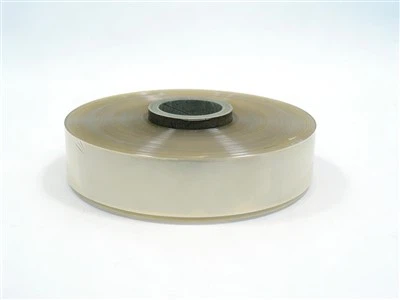
At the end of the day, medical care is all about the details—making sure a tool is sterile, a drug stays potent, a wound heals without infection. PVDC film isn’t the most glamorous medical material, but it’s one of the most important unsung heroes in healthcare supply chains. I’m proud to be part of supplying that, and I know our team can help you too.
Vacuum Skin Packaging Film References:
- Krochta, J. M., & De Mulder, J. J. (1997). Water vapor and oxygen barrier properties of polyvinylidene chloride films. Journal of Applied Polymer Science, 65(10), 1993-2001.
- ISO 10993-1:2018. Biological evaluation of medical devices. Part 1: Evaluation and testing within a risk management process. International Organization for Standardization.
- Barnes, C. M., et al. (2020). Barrier packaging for pharmaceutical stability: A review. Journal of Pharmaceutical Sciences, 109(12), 3567-3582.
- Wiegand, C., et al. (2015). Polyvinylidene chloride films in wound care applications: Barrier performance and biocompatibility. Journal of Biomedical Materials Research Part B: Applied Biomaterials, 103(7), 1421-1428.
Sinosealed Packaging Solutions Limited
With a professional production team, we are one of the most experienced polyvinylidene chloride film manufacturers and suppliers in China. Please rest assured to buy high quality polyvinylidene chloride film for sale here from our factory. For price consultation, contact us.
Address: Luohe City, Henan Province, China
E-mail: contact@barrierpackage.com
WebSite: https://www.barrierpackage.com/
