In the dynamic world of product packaging, in-mold labels (IMLs) have emerged as a revolutionary solution, seamlessly integrating branding, functionality, and aesthetics. As a seasoned in-mold labels supplier, I’ve witnessed firsthand the transformative power of IMLs in enhancing the visual appeal and marketability of products across various industries. One question that often arises in discussions with clients is whether in-mold labels have a good tactile feel. In this blog post, I’ll delve into the science behind the tactile experience of in-mold labels, explore the factors that contribute to their feel, and share insights on how to optimize the tactile quality of IMLs for your products. In-Mold Labels

Understanding the Tactile Experience of In – Mold Labels
The tactile experience of a product is a crucial aspect of consumer perception. It can evoke emotions, create a sense of luxury, and even influence purchasing decisions. When it comes to in-mold labels, the tactile feel is determined by several factors, including the label material, printing process, and surface finish.
Label Material
The choice of label material plays a significant role in the tactile feel of in-mold labels. Common materials used for IMLs include polypropylene (PP), polyethylene terephthalate (PET), and polystyrene (PS). Each material has its own unique characteristics that affect the way the label feels to the touch.
- Polypropylene (PP): PP is a popular choice for in-mold labels due to its excellent chemical resistance, durability, and flexibility. It has a smooth, soft feel that is pleasant to the touch, making it suitable for a wide range of products, including food containers, household items, and personal care products.
- Polyethylene Terephthalate (PET): PET is known for its high clarity, stiffness, and dimensional stability. It has a more rigid feel compared to PP, which can give products a premium look and feel. PET labels are commonly used in the beverage, cosmetic, and pharmaceutical industries.
- Polystyrene (PS): PS is a lightweight and cost – effective material that offers good printability. It has a smooth, glassy feel that can enhance the visual appeal of products. However, PS is less flexible than PP and PET, which may limit its use in some applications.
Printing Process
The printing process used to create in-mold labels also affects their tactile feel. Different printing techniques, such as offset printing, flexographic printing, and digital printing, can produce labels with varying levels of texture and smoothness.
- Offset Printing: Offset printing is a high – resolution printing process that uses a series of plates to transfer ink onto the label material. It can produce sharp, detailed images with a smooth surface finish. Offset – printed in-mold labels typically have a consistent, even feel that is free of any noticeable bumps or ridges.
- Flexographic Printing: Flexographic printing is a versatile printing process that uses flexible printing plates to transfer ink onto the label material. It is known for its ability to print on a wide range of substrates, including rough or uneven surfaces. Flexographic – printed in-mold labels may have a slightly textured feel, which can add a unique tactile element to the product.
- Digital Printing: Digital printing offers the advantage of on – demand printing and variable data printing. It uses inkjet or laser technology to apply ink directly onto the label material. Digital – printed in-mold labels can have a smooth or slightly textured feel, depending on the type of ink and printing settings used.
Surface Finish
The surface finish of in-mold labels can be further enhanced through various post – printing treatments, such as varnishing, lamination, or embossing. These treatments not only improve the visual appearance of the labels but also affect their tactile feel.
- Varnishing: Varnishing is a common post – printing treatment that involves applying a thin layer of protective coating to the label surface. It can provide a glossy, matte, or satin finish, each with its own unique tactile characteristics. Glossy varnishes give the label a smooth, shiny feel, while matte and satin varnishes offer a more subdued, velvety feel.
- Lamination: Lamination involves bonding a thin layer of film to the label surface. It can provide additional protection against scratches, moisture, and UV light. Laminated in – mold labels often have a smooth, durable feel that enhances the overall quality of the product.
- Embossing: Embossing is a process that creates a raised or depressed design on the label surface. It can add a three – dimensional element to the label and give it a tactile texture that is both visually appealing and enjoyable to touch.
Benefits of a Good Tactile Feel in In – Mold Labels
A good tactile feel in in – mold labels offers several benefits for both manufacturers and consumers.
For Manufacturers
- Enhanced Branding: A label with a good tactile feel can help to differentiate your product from competitors and create a memorable brand experience. Consumers are more likely to remember a product that feels premium and well – made, which can lead to increased brand loyalty and repeat purchases.
- Improved Product Perception: The tactile quality of the label can influence consumers’ perception of the product’s overall quality. A label that feels smooth, soft, or luxurious can make the product appear more high – end and desirable, even if the actual product inside is relatively inexpensive.
- Increased Durability: Labels with a good tactile feel are often more durable and resistant to wear and tear. This can help to extend the lifespan of the product and reduce the need for frequent label replacements, saving manufacturers time and money in the long run.
For Consumers
- Enhanced User Experience: The tactile feel of a label can enhance the overall user experience of a product. It can make the product more enjoyable to handle, open, and use, which can increase consumer satisfaction.
- Improved Product Safety: Labels with a good tactile feel can be easier to read and handle, especially for consumers with limited dexterity or visual impairments. This can improve product safety by reducing the risk of misreading instructions or misusing the product.
- Emotional Connection: The tactile experience of a product can evoke emotions and create a sense of connection with the brand. A label that feels pleasant to the touch can make consumers feel more positive about the product and the brand, which can lead to increased brand affinity and loyalty.
Optimizing the Tactile Quality of In – Mold Labels
As an in – mold labels supplier, I understand the importance of optimizing the tactile quality of IMLs to meet the specific needs and preferences of our clients. Here are some tips on how to achieve the best tactile feel for your in – mold labels:
- Choose the Right Material: Select a label material that is suitable for your product and application. Consider factors such as flexibility, durability, and chemical resistance, as well as the desired tactile feel.
- Select the Appropriate Printing Process: Choose a printing process that can achieve the desired level of detail and texture for your label. Work closely with your printer to ensure that the printing settings are optimized for the best results.
- Incorporate Surface Treatments: Explore the use of surface treatments, such as varnishing, lamination, or embossing, to enhance the tactile feel of your labels. These treatments can add a unique element to the label and make it stand out from the competition.
- Test and Evaluate: Before mass – producing your in – mold labels, it’s important to test and evaluate different materials, printing processes, and surface treatments to determine the best combination for the desired tactile feel. Conduct tactile testing with a group of representative consumers to get feedback on the label’s feel and make any necessary adjustments.
Conclusion
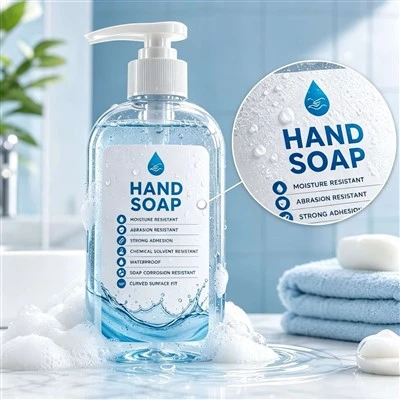
In conclusion, in – mold labels can have an excellent tactile feel, thanks to the wide range of materials, printing processes, and surface treatments available. A good tactile feel in in – mold labels offers numerous benefits for both manufacturers and consumers, including enhanced branding, improved product perception, increased durability, and an enhanced user experience. As an in – mold labels supplier, I am committed to providing our clients with high – quality labels that not only look great but also feel great to the touch.
Wine & Beverage Labels If you’re interested in learning more about in – mold labels and how they can enhance the tactile experience of your products, I’d love to have a conversation with you. Whether you’re looking for a new packaging solution for your existing product or launching a new product line, our team of experts can help you select the right materials, printing processes, and surface treatments to achieve the best results. Contact us today to start the discussion and take your product packaging to the next level.
References
- Thomson, P. (2019). The Psychology of Packaging Design. John Wiley & Sons.
- Wikipedia. (2023). In – Mold Labeling. Retrieved from the Wikipedia website.
SpeedPrint Era (Xiamen) Digital Co., Ltd.
SpeedPrint Era (Xiamen) Digital Co., Ltd. is one of the most professional in-mold labels manufacturers and suppliers in China, featured by quality products and low price. Please rest assured to wholesale advanced in-mold labels made in China here and get quotation from our factory. We also accept customized orders.
Address: Floor 1, No. 27, Xianghong Road, Xiang’an District, 361101, Xiamen, Fujian, China
E-mail: hxmacka@gmail.com
WebSite: https://www.lumolabels.com/
